Terasol Energy

Infrastructure

Custom Made I-JV Cut Off Wavelength

No Discoloration or Yellowing

Excellent Thermal Stability

Excellent Transparency

Excellent Moisture Resistance and Weather Resistance

Excellent PID Resistance

High Volume Resistivity

Excellent Electrical Insulation

Orange Peel Embossing

Excellent Moisture Resistance and Weather Resistance

Excellent PID Resistance

High Volume Resistivity

Excellent Electrical Insulation

Orange Peel Embossing

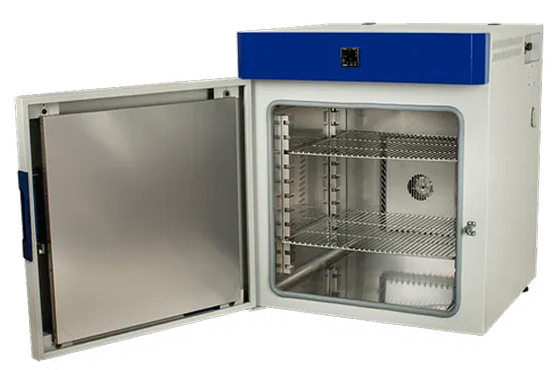
Hot Air Oven

Shrinkage properties & Beaker method.

Ovens for EVA (Ethylene Vinyl Acetate) films are essential in the lamination process, ensuring proper curing & degassing. They provide uniform heating to ensuring the curing properties of EVA, promote crosslinking for enhanced durability, and remove trapped gases and moisture, resulting in high-quality laminated products like photovoltaic panels.

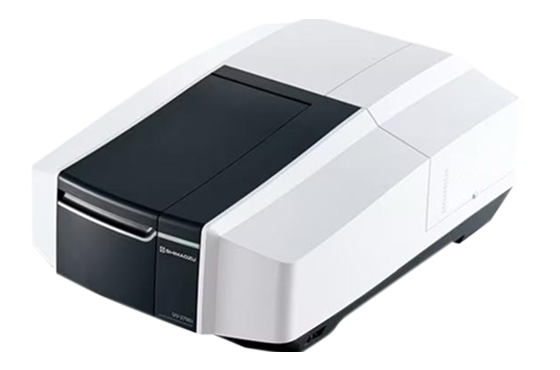
UV Spectrophotometer

Ensures Optical Transmission & Yellowness Index

A UV spectrophotometer in an EVA film production plant is used to measure the film’s optical properties, such as transmittance and absorbance. It ensures the film meets required transparency and UV protection standards by analyzing how the film interacts with ultraviolet light. This quality control step is crucial for applications like photovoltaic panels, where precise optical characteristics are essential.

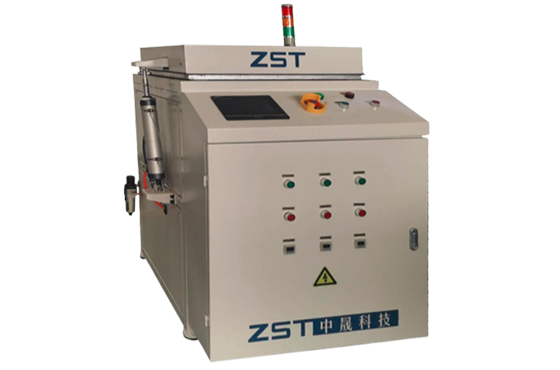
Laminator

Curing and Bonding of Encapsulant

A laminator is crucial for bonding EVA films to substrates such as glass or photovoltaic cells. It applies heat and pressure to ensure proper adhesion, eliminate air bubbles, and create a uniform, durable laminate. This process enhances the mechanical properties and longevity of the final product.

Proper application ensures reduction in cycle time and helps in increasing the production from fast cure to ultra-fast cure.

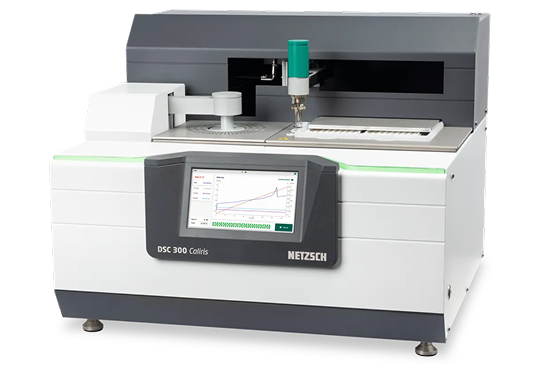
DSC

Enthalpy & Melting Point

Differential Scanning Calorimetry (DSC) measures the thermal properties of the film, such as melting temperature, crystallization temperature, and heat of fusion. It ensures the film’s thermal behaviour meets required specifications, which is crucial for its performance during processing and in final applications. This analysis helps optimize the production process and maintain consistent product quality.

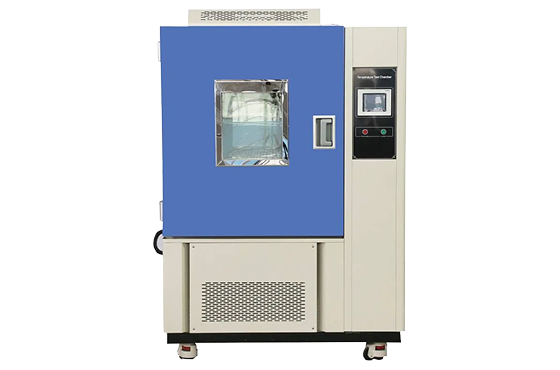
Humidity Chamber

Ensuring Polymer Durability and Performance under Humidity and Moisture Conditions

A humidity chamber is vital for a solar encapsulant manufacturing plant as it plays a critical role in testing and ensuring the reliability and durability of the encapsulant materials. By exposing encapsulant samples to controlled humidity and temperature cycles, manufacturers can assess their resistance to moisture ingress, delamination, and other potential degradation mechanisms. This rigorous testing helps in optimizing the formulation and manufacturing process, ensuring the encapsulants provide long-term protection to solar cells, thereby enhancing the performance and lifespan of solar modules in diverse climatic conditions.

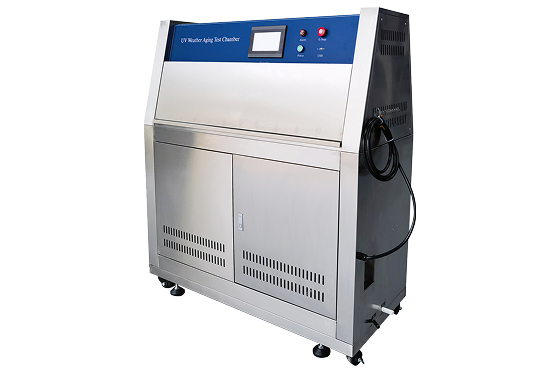
UV Chamber

Ensuring Longevity and Durability through advanced UV chambers by evaluating resistance to UV and weather effects

A UV chamber is essential for a solar encapsulant manufacturing plant as it provides a controlled environment to test the resistance of encapsulant materials to ultraviolet (UV) radiation. Solar encapsulants are constantly exposed to sunlight, which includes UV rays that can cause degradation over time. By simulating prolonged exposure to UV light, the chamber allows manufacturers to evaluate the longevity and stability of the encapsulants. This testing ensures that the materials maintain their protective properties, preventing issues like yellowing, cracking, or loss of adhesion. Consequently, using a UV chamber helps in refining the encapsulant formulations, ensuring that the solar modules maintain high performance and reliability throughout their operational life, even under intense solar exposure.


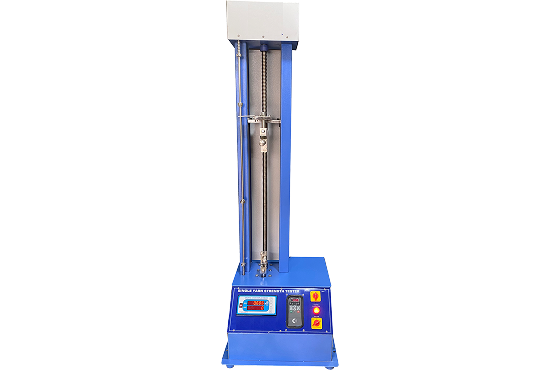
UTM (Universal Testing Machine)

Ensuring the Tensile Strength, Elongation & Adhesion Properties.

A tensile testing machine evaluates the mechanical properties of the film, such as tensile strength and elongation at break. It ensures the film meets required standards for durability and flexibility by measuring its resistance to stretching and breaking under tension. This quality control process is crucial for ensuring the film’s performance in applications like laminated glass and photovoltaic panels.
×